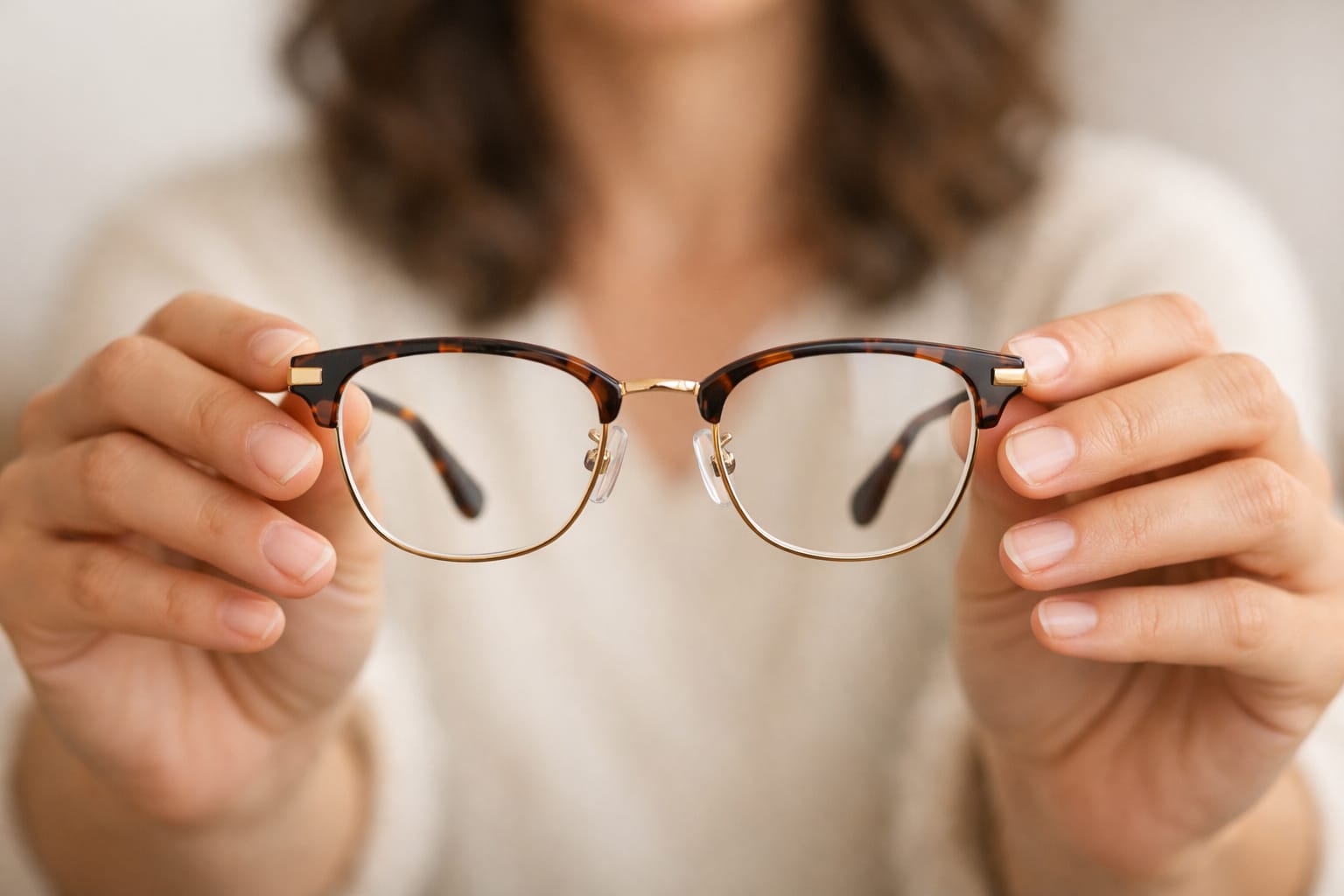
What Is Presbyopia?

Presbyopia is the age-related loss of the eye's ability to focus on near objects. It happens to virtually everyone, typically becoming noticeable in the early-to-mid 40s.

What Is Presbyopia?

Presbyopia is the age-related loss of the eye's ability to focus on near objects. It happens to virtually everyone, typically becoming noticeable in the early-to-mid 40s. The eye's crystalline lens stiffens with age and can no longer change shape (accommodate) to focus up close. Presbyopia is not a disease — it is a normal part of aging.

When to seek care

If you find yourself holding your phone or reading materials at arm's length, or struggling with near tasks in your early 40s, it's time for an eye exam — comprehensive exam. Your doctor can measure the exact amount of reading correction you need and discuss all available options including lens and surgical solutions.


Symptoms of Presbyopia

  • Difficulty reading fine print or seeing close objects clearly
  • holding reading material farther away to bring it into focus
  • eyestrain, headaches, or fatigue after close work
  • needing brighter light for reading
  • blurred vision at normal reading distance.

Causes & Risk Factors

Presbyopia is caused by the natural stiffening of the crystalline lens inside the eye. As the lens loses elasticity, the ciliary muscles that flex the lens to change focus become less effective. This process begins in childhood but only becomes symptomatic in the early-to-mid 40s.

Treatment Options

Treatment Options

  1. Overview

    Reading glasses (over-the-counter or prescription); progressive addition lenses (PALs) — no-line bifocals that correct for multiple distances; bifocal or multifocal contact lenses; monovision contact lens fitting (one eye corrected for distance, one for near); corneal inlays (e.g., KAMRA) to extend depth of focus; premium IOLs at the time of cataract surgery to reduce dependence on reading glasses; Vuity eye drops (pilocarpine 1.25%) for mild-to-moderate presbyopia.

Insurance & Cost for Presbyopia

Presbyopia correction with reading glasses, progressive lenses, or bifocal contacts is covered by most vision insurance plans within your annual eyewear allowance. Premium progressive lens designs and Vuity prescription drops may involve out-of-pocket upgrade costs. Typically covered: • Eye exam including near-vision assessment • Standard progressive or bifocal lenses through vision plan • Reading glasses prescription Often out-of-pocket: • Premium progressive lenses (wider zones, thinner materials) • Vuity or other presbyopia eye drops • Multifocal contact lens fitting fee

Coverage varies by plan — we verify your benefits before treatment

Call before your visit and we will check your vision and medical benefits so there are no surprises.

Frequently Asked Questions About Presbyopia

Can presbyopia be prevented?

No. Presbyopia is a universal, inevitable part of aging that affects virtually everyone. Good nutrition, avoiding smoking, and protecting eyes from UV light support overall eye health, but will not prevent presbyopia.

Will presbyopia keep getting worse?

Yes, gradually. Most people notice progression through their 40s and into their 50s before stabilizing. Prescription updates every 1‑2 years are typically needed during this period.

Are there any surgical options to correct presbyopia?

Yes — several. These include corneal inlays, LASIK monovision, presbyopia-correcting LASIK (PresbyLASIK), and premium multifocal or extended depth-of-focus IOLs at the time of cataract surgery. Eligibility depends on your specific eye anatomy and prescription.

Are progressive lenses covered by insurance?

Most vision plans cover standard progressive lenses with a copay. Premium progressives with wider reading zones or thinner materials may have an upgrade fee. We review your vision benefits and explain any out-of-pocket cost before you order.

Medical Disclaimer

The information on this page is for general educational purposes only and is not a substitute for professional medical advice, diagnosis, or treatment. Always seek the advice of your eye care provider with any questions about a medical condition. If you think you may have a medical emergency, call 911.

Book an Evaluation for Presbyopia

If you find yourself holding your phone or reading materials at arm's length, or struggling with near tasks in your early 40s, it's time for an eye exam. Your doctor can measure the exact amount of reading correction you need and discuss all available options including lens and surgical solutions.
Our Locations

Golden Triangle Eye Center serves patients at multiple locations.

Columbus

Office hours

Monday8:00 AM - 5:00 PM
Tuesday8:00 AM - 5:00 PM
Wednesday8:00 AM - 5:00 PM
Thursday8:00 AM - 5:00 PM
Friday8:00 AM - 12:00 PM
SaturdayClosed
SundayClosed

Aliceville

Office hours

MondayClosed
TuesdayClosed
WednesdayClosed
ThursdayClosed
Friday8:30 AM - 4:30 PM
SaturdayClosed
SundayClosed
Patient Reviews

What Our Patients Say

We take pride in delivering exceptional eye care and building lasting relationships with our patients.

★★★★★4.9(664+ Reviews)
Write a Review (opens in new tab)

Opens Google — no account required to read. Google account needed to post a review.

Have a question? We’d love to hear from you.

Send Us a Message