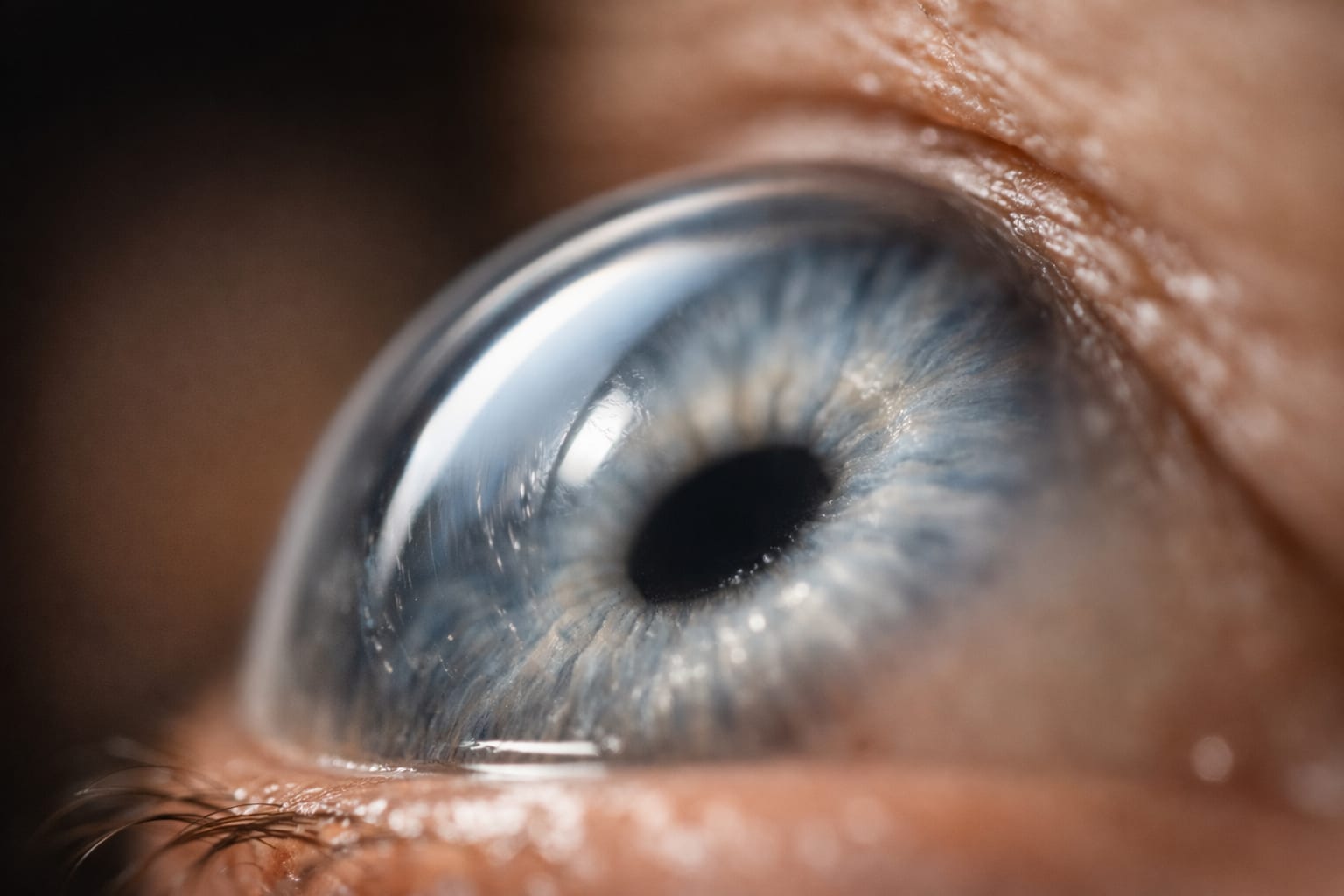
What Is Myopia (Nearsightedness)?

Myopia, or nearsightedness, is a refractive error in which nearby objects appear clear but distant objects appear blurry. It occurs when the eye grows too long or the cornea is too curved, causing light to focus in front of the retina instead of on it.

What Is Myopia (Nearsightedness)?

Myopia, or nearsightedness, is a refractive error in which nearby objects appear clear but distant objects appear blurry. It occurs when the eye grows too long or the cornea is too curved, causing light to focus in front of the retina instead of on it. Myopia is one of the most common vision conditions in the world, and its prevalence is rising dramatically — especially in children.

When to seek care

Children should have a comprehensive eye exam before starting school and annually through their school years. If a child squints, sits close to screens, or complains of blurry distance vision, schedule an exam promptly. Early detection of myopia in children allows for myopia control measures that reduce long-term risks including retinal detachment, glaucoma, and macular degeneration associated with high myopia.


Symptoms of Myopia (Nearsightedness)

Squinting to see distant objects clearly
difficulty reading the board at school or signs while driving
eye strain or headaches, particularly after focusing on distant objects
sitting closer than normal to screens or printed material
needing to sit near the front of the classroom.

Causes & Risk Factors

Myopia is caused by an eyeball that is longer than normal or a cornea that is too steeply curved. Both genetics and environment play a role. Children with one or both myopic parents have significantly higher risk. Environmental factors include reduced time outdoors and extended near work. Axial elongation (the eye growing too long) is the primary driver in children.

Treatment Options

Treatment Options

  1. Overview

    Corrective lenses: glasses or contact lenses that diverge light to move the focus point onto the retina. Myopia control (for children): atropine eye drops (0.01‑0.05%); orthokeratology (overnight corneal reshaping lenses); multifocal soft contact lenses — all proven to slow axial elongation. LASIK or PRK for adults 18+ with stable prescriptions. Increasing time outdoors (2+ hours/day) is strongly protective in children.

Insurance & Cost for Myopia (Nearsightedness)

Routine myopia correction with glasses or contacts is covered by vision insurance. Myopia control treatments for children — orthokeratology, MiSight lenses, and low-dose atropine — are often out-of-pocket or partially covered, as they are newer therapies. LASIK is elective and not covered. Typically covered: • Comprehensive eye exam and glasses or contact lens prescription • Annual vision plan eyewear allowance • Pediatric eye exams under vision or medical benefits Often out-of-pocket: • Myopia control treatments (Ortho-K, MiSight, atropine therapy) • LASIK or PRK refractive surgery • Premium lens materials beyond plan allowance

Coverage varies by plan — we verify your benefits before treatment

Call before your visit and we will check your vision and medical benefits so there are no surprises.

Frequently Asked Questions About Myopia (Nearsightedness)

Can myopia be reversed?

Standard myopia cannot be reversed with glasses or contacts — they correct vision but do not change the eye's shape. Refractive surgery reshapes the cornea permanently but does not shorten an elongated eye. Myopia control treatments can slow or halt progression in children.

Is myopia dangerous?

Mild myopia poses little health risk beyond the inconvenience of needing correction. High myopia (over -6.00 D) significantly increases the lifetime risk of retinal detachment, glaucoma, cataracts, and macular degeneration. This is why slowing progression in children is important.

How early can myopia develop?

Myopia can begin as early as age 5‑6, though it most commonly becomes apparent between ages 8‑12. Progression tends to be fastest during the school-age years and early teens before stabilizing in the mid-to-late 20s.

Is myopia control covered by insurance?

Standard glasses and contacts for myopia are covered by vision plans. Myopia control therapies that slow progression in children are often out-of-pocket or partially covered because coverage is still evolving. We discuss costs and payment options at your consultation.

Medical Disclaimer

The information on this page is for general educational purposes only and is not a substitute for professional medical advice, diagnosis, or treatment. Always seek the advice of your eye care provider with any questions about a medical condition. If you think you may have a medical emergency, call 911.

Book an Evaluation for Myopia (Nearsightedness)

Children should have a comprehensive eye exam before starting school and annually through their school years. If a child squints, sits close to screens, or complains of blurry distance vision, schedule an exam promptly. Early detection of myopia in children allows for myopia control measures that reduce long-term risks including retinal detachment, glaucoma, and macular degeneration associated with high myopia.
Our Locations

Golden Triangle Eye Center serves patients at multiple locations.

Columbus

Office hours

Monday8:00 AM - 5:00 PM
Tuesday8:00 AM - 5:00 PM
Wednesday8:00 AM - 5:00 PM
Thursday8:00 AM - 5:00 PM
Friday8:00 AM - 12:00 PM
SaturdayClosed
SundayClosed

Aliceville

Office hours

MondayClosed
TuesdayClosed
WednesdayClosed
ThursdayClosed
Friday8:30 AM - 4:30 PM
SaturdayClosed
SundayClosed
Patient Reviews

What Our Patients Say

We take pride in delivering exceptional eye care and building lasting relationships with our patients.

★★★★★4.9(664+ Reviews)
Write a Review (opens in new tab)

Opens Google — no account required to read. Google account needed to post a review.

Have a question? We’d love to hear from you.

Send Us a Message